Negotiating Extractivism: Self-experimentation and artistic fieldwork in bogs
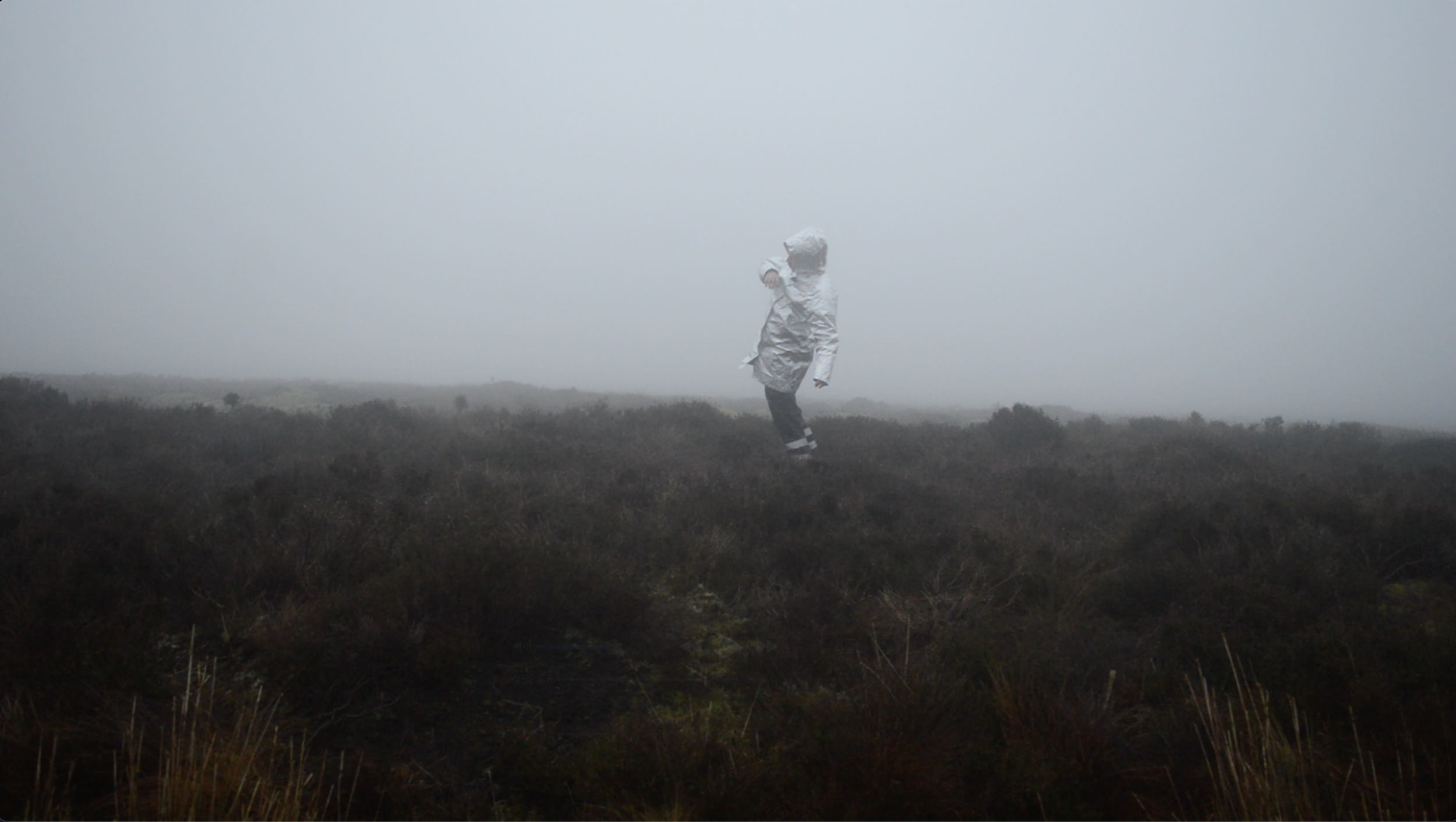
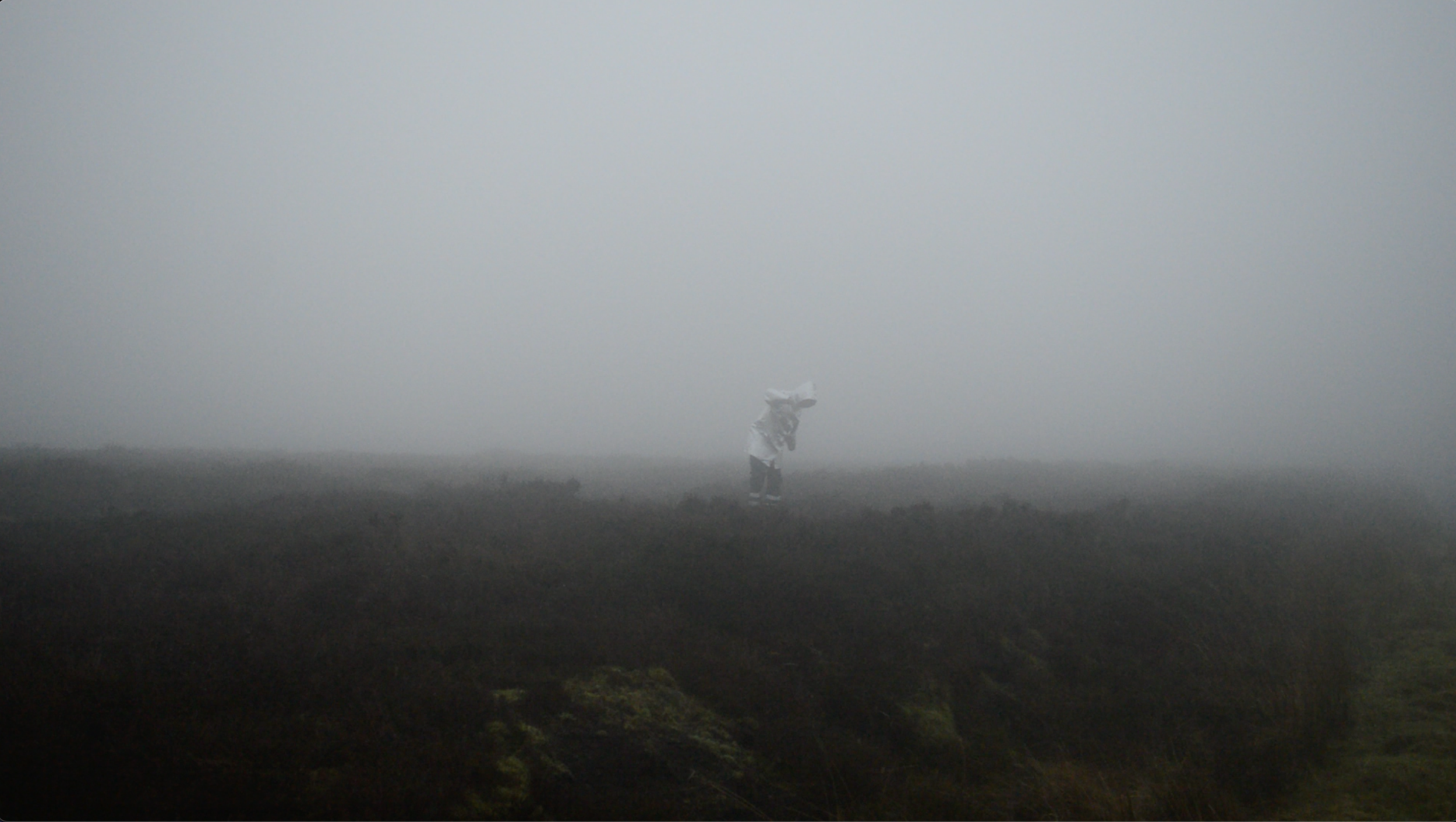
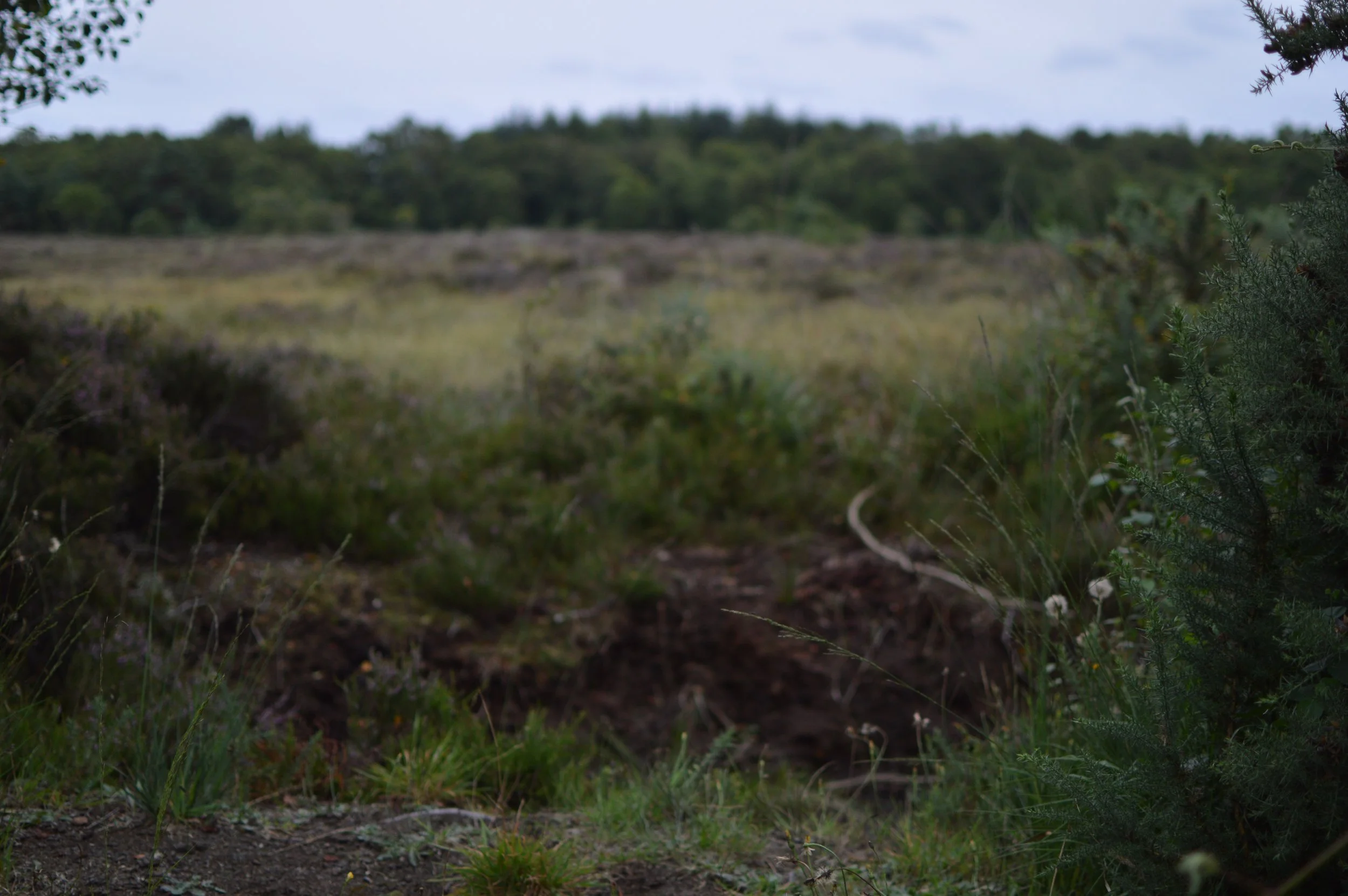
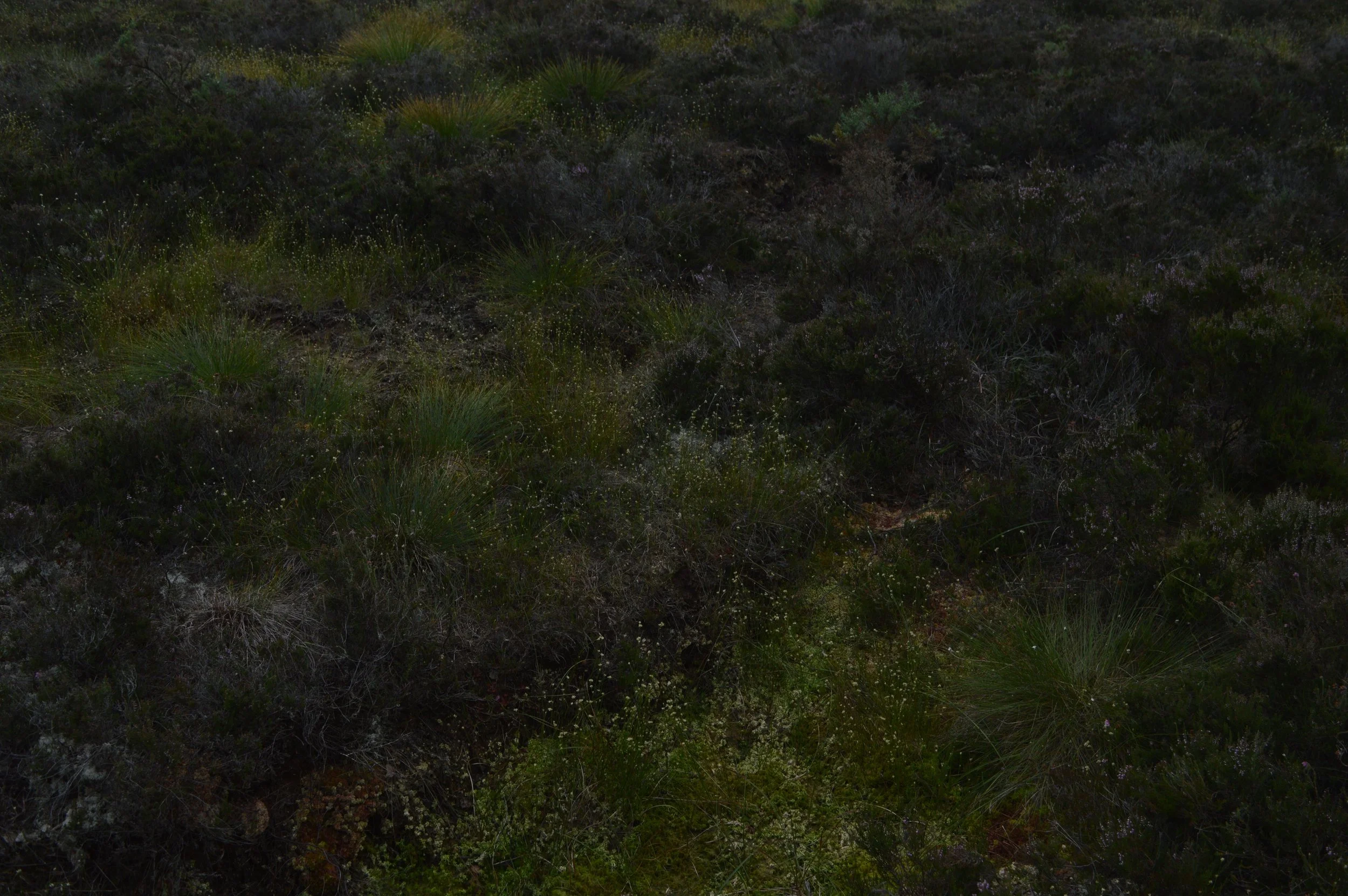
The project is currently in development and explores how human intervention and extractivism has come to shape how humans interact with bogs/wetlands. The practice-as-research project involves work across five sites in Ireland (Girley Bog, Mountlucas Bog, Sally Gap), England (Walshaw Moor) and Netherlands (Korenburgerveen).
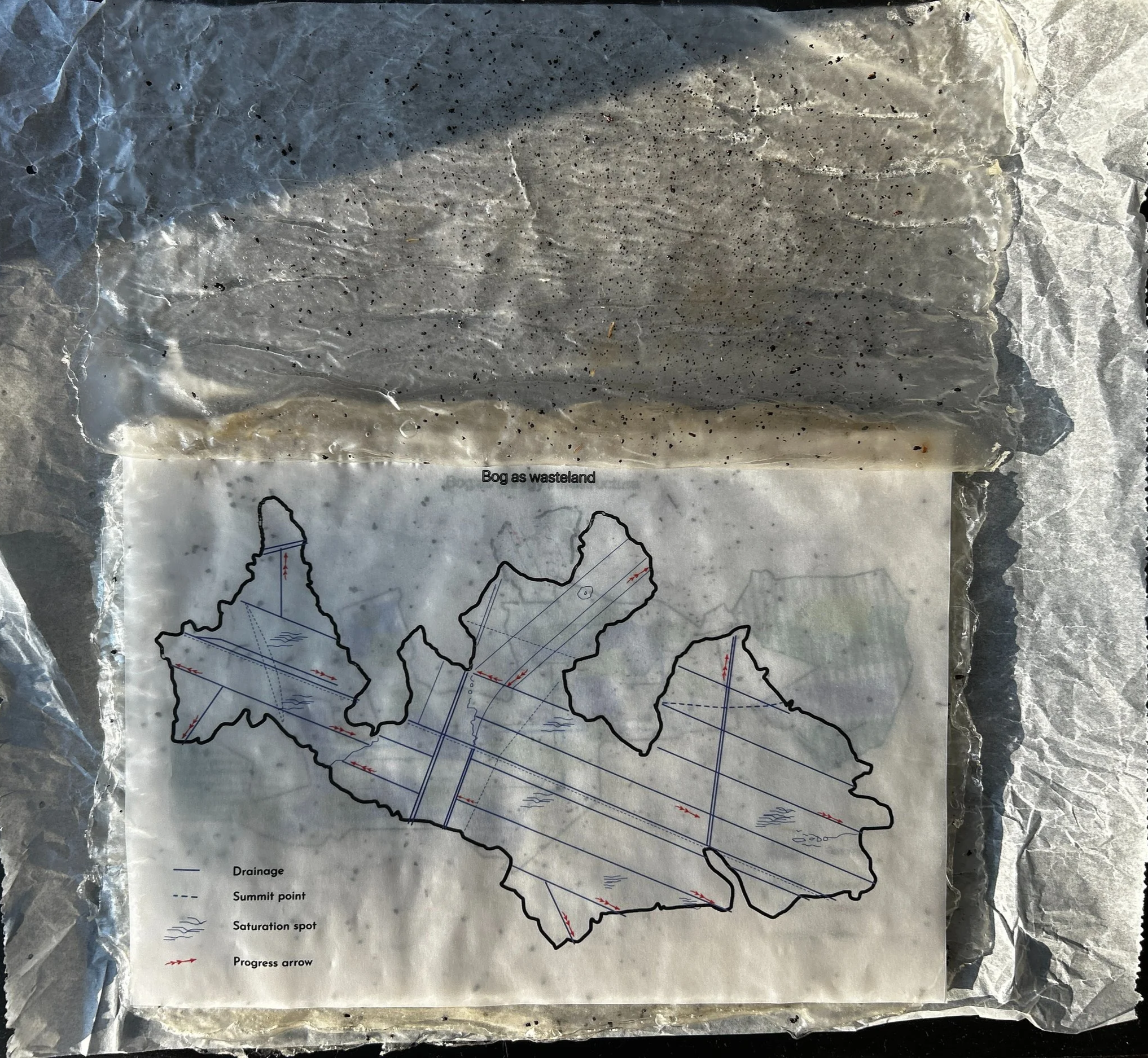
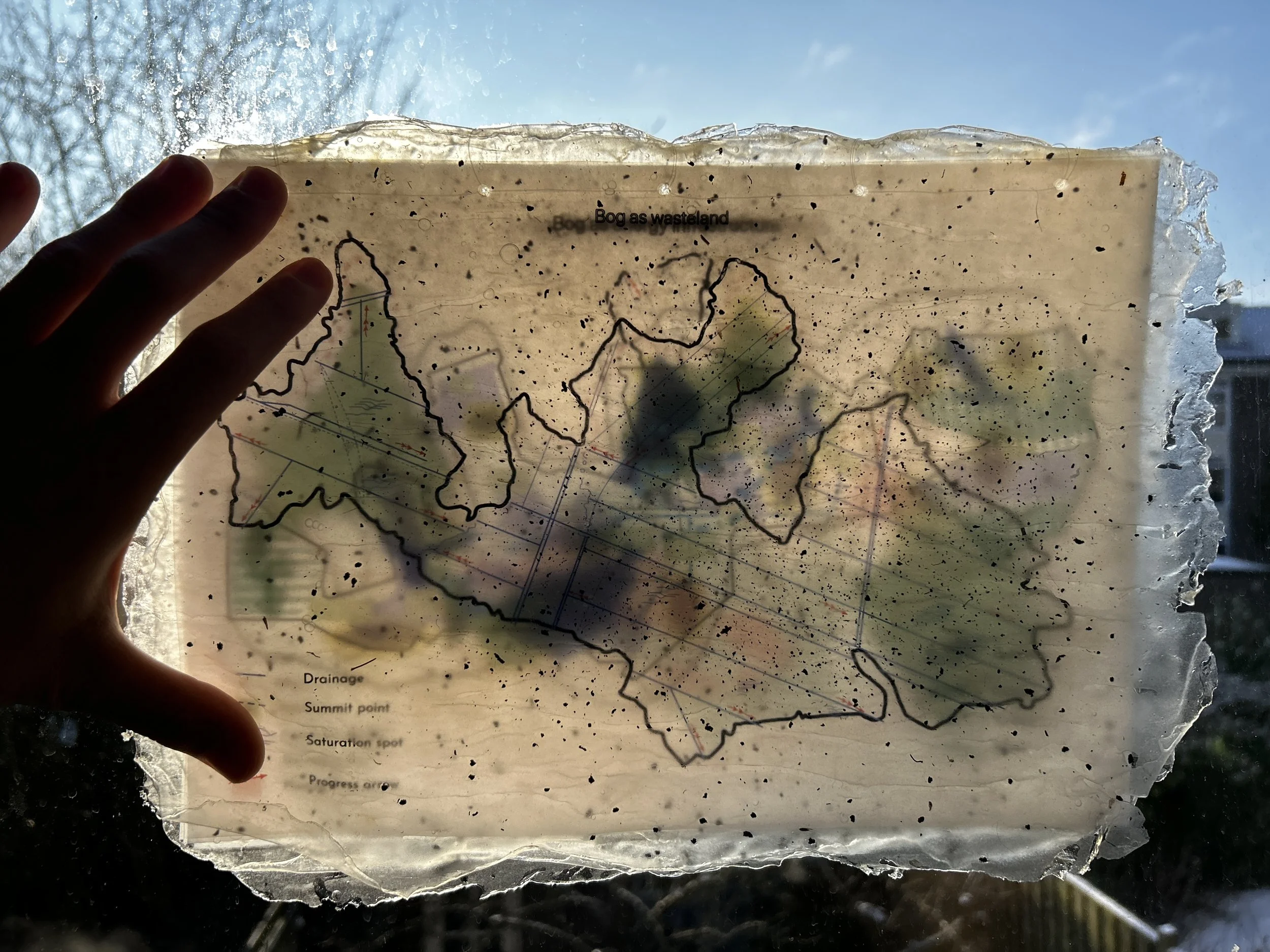
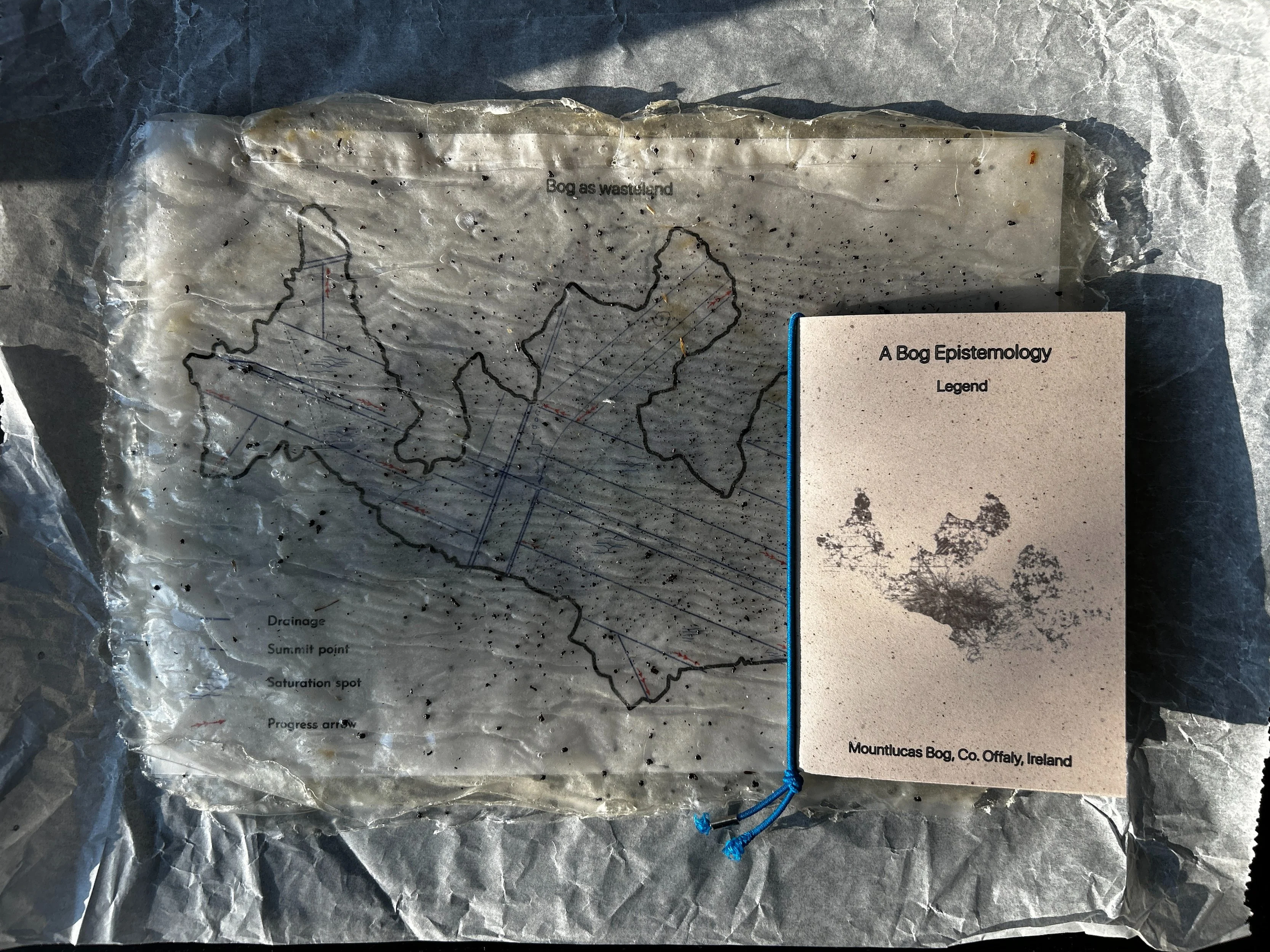
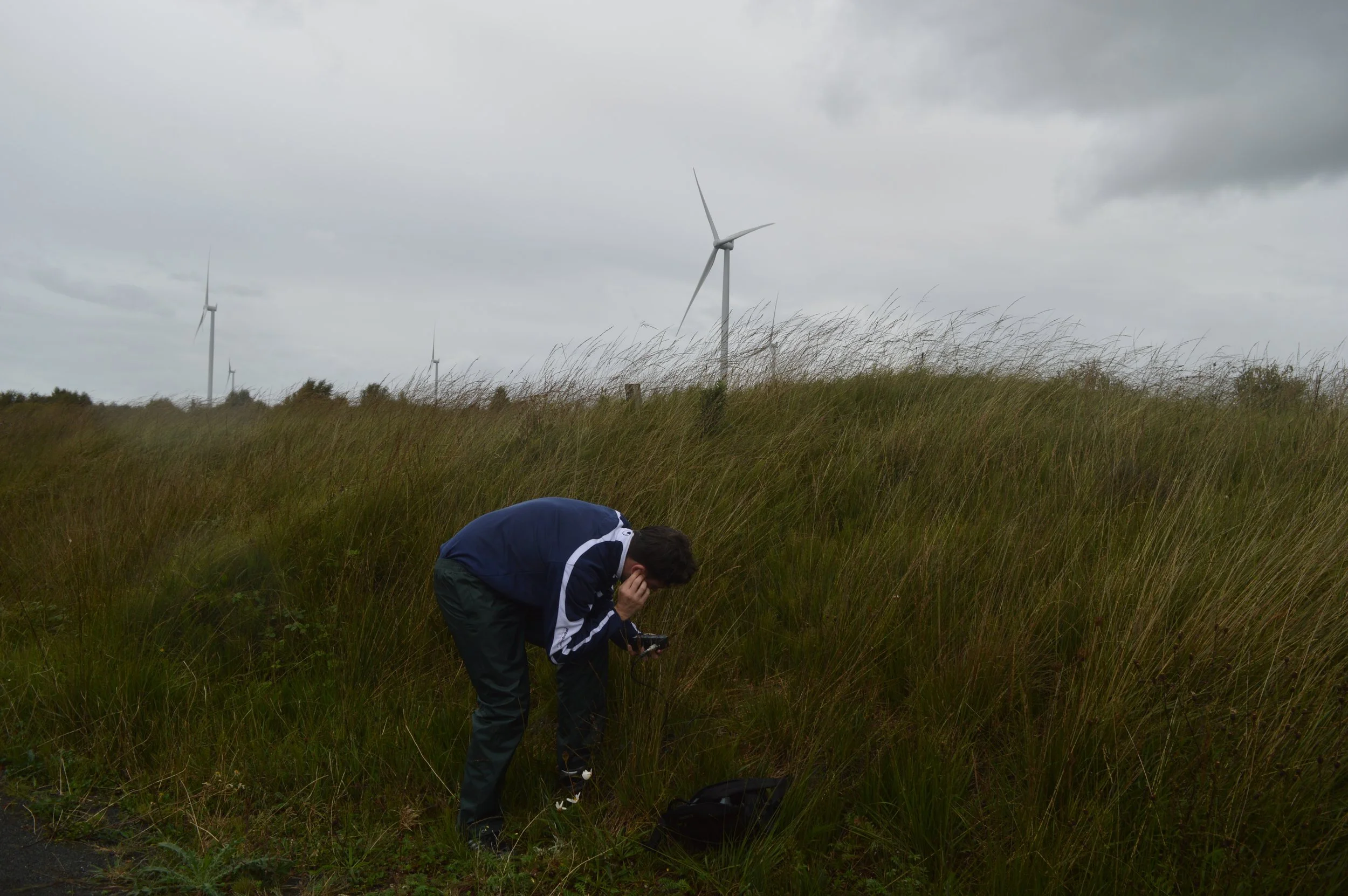
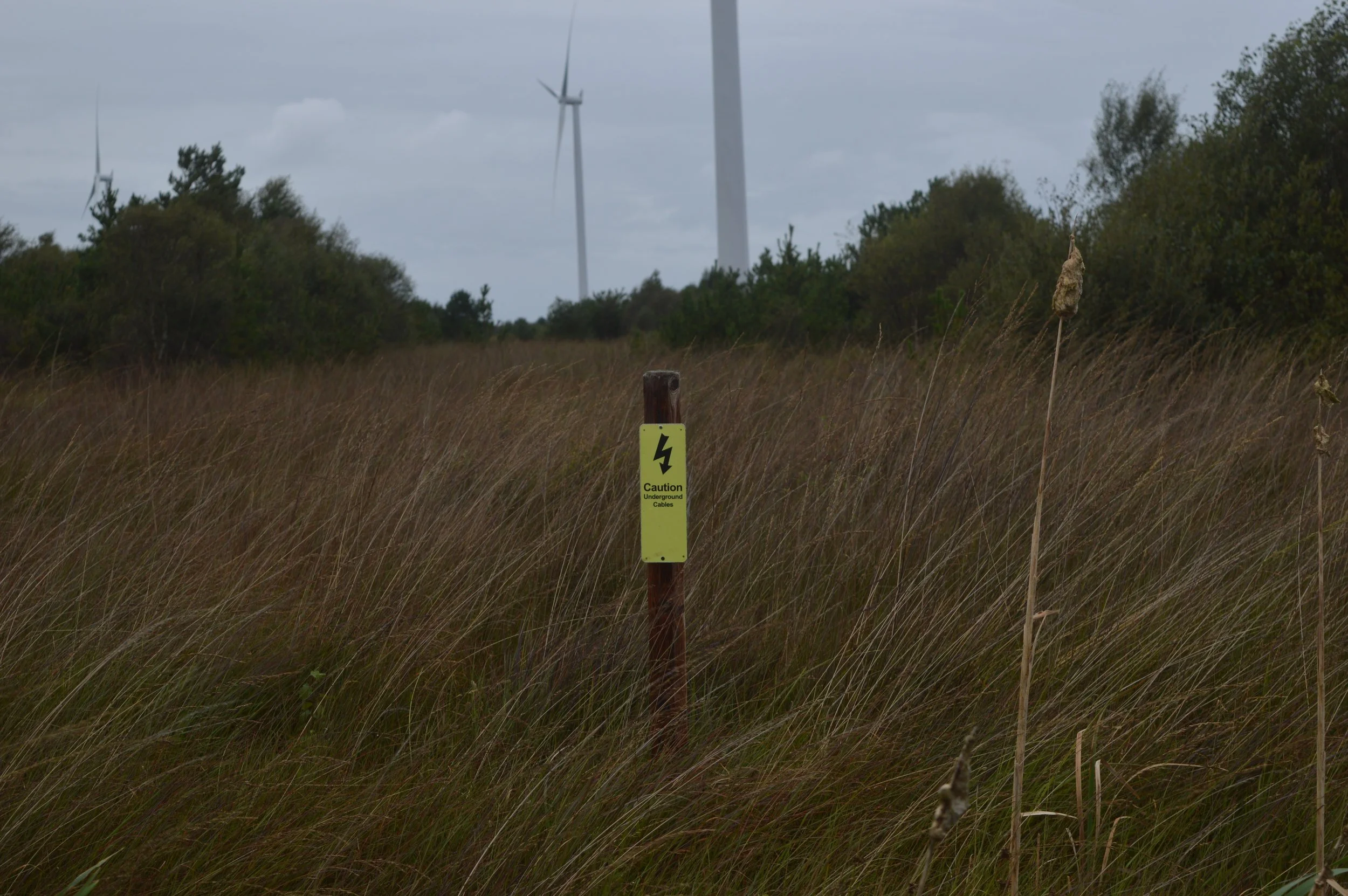
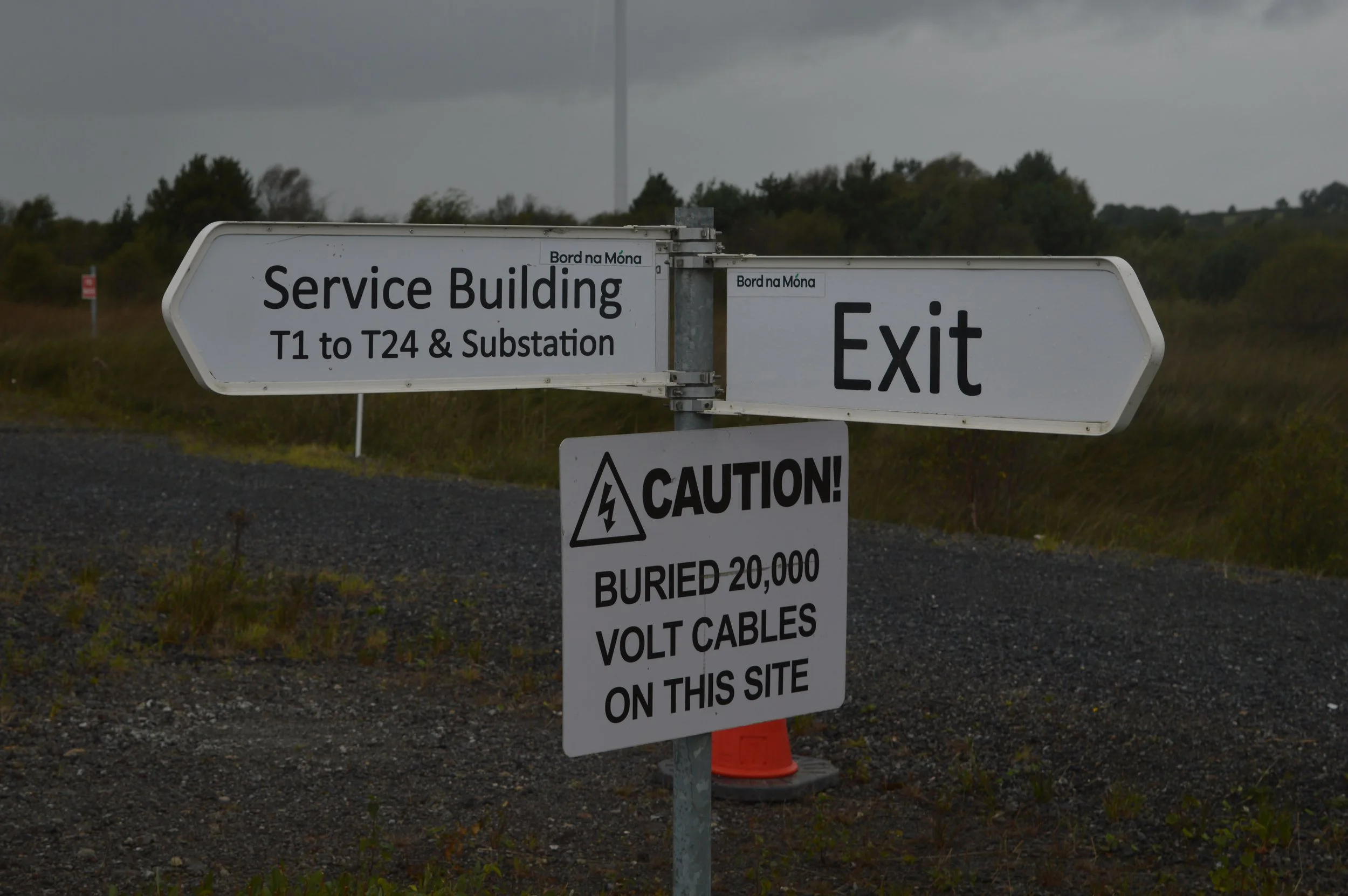
Bogs offer critical sites which exemplify how extractivism has governed how land is valued. One example can be found in Mountlucas Bog (Co. Offaly, Ireland) which has undergone multiple cycles of extraction from British Colonial drainage planning to industrial peat extraction. Today, with the majority of its peat removed, it exists as a site for ‘green’ energy infrastructure to justify the continued construction of data centres. It was developed with my MA Performance Practices at ArtEZ Arnhem and now continues through new sites and disseminations.
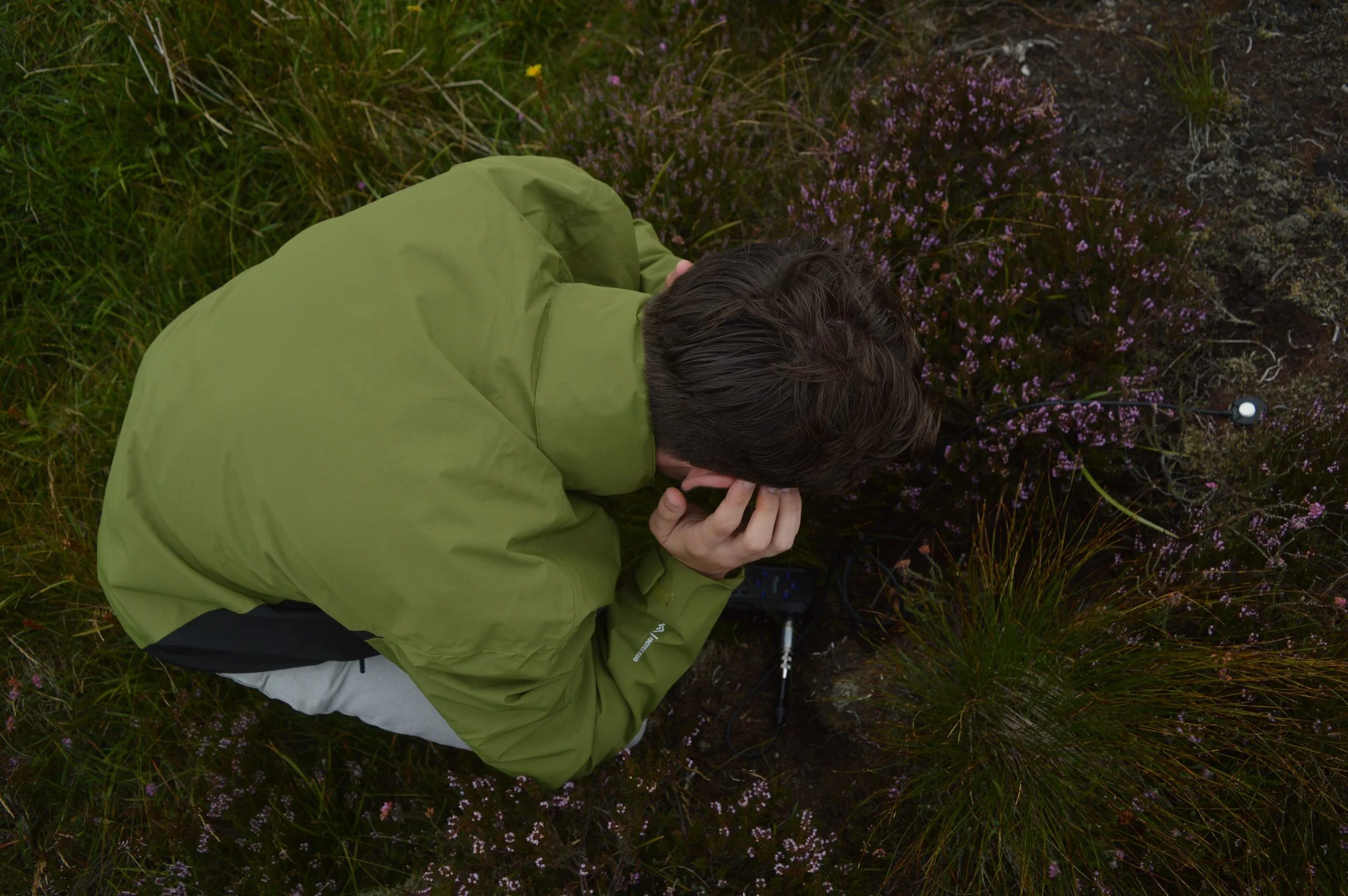
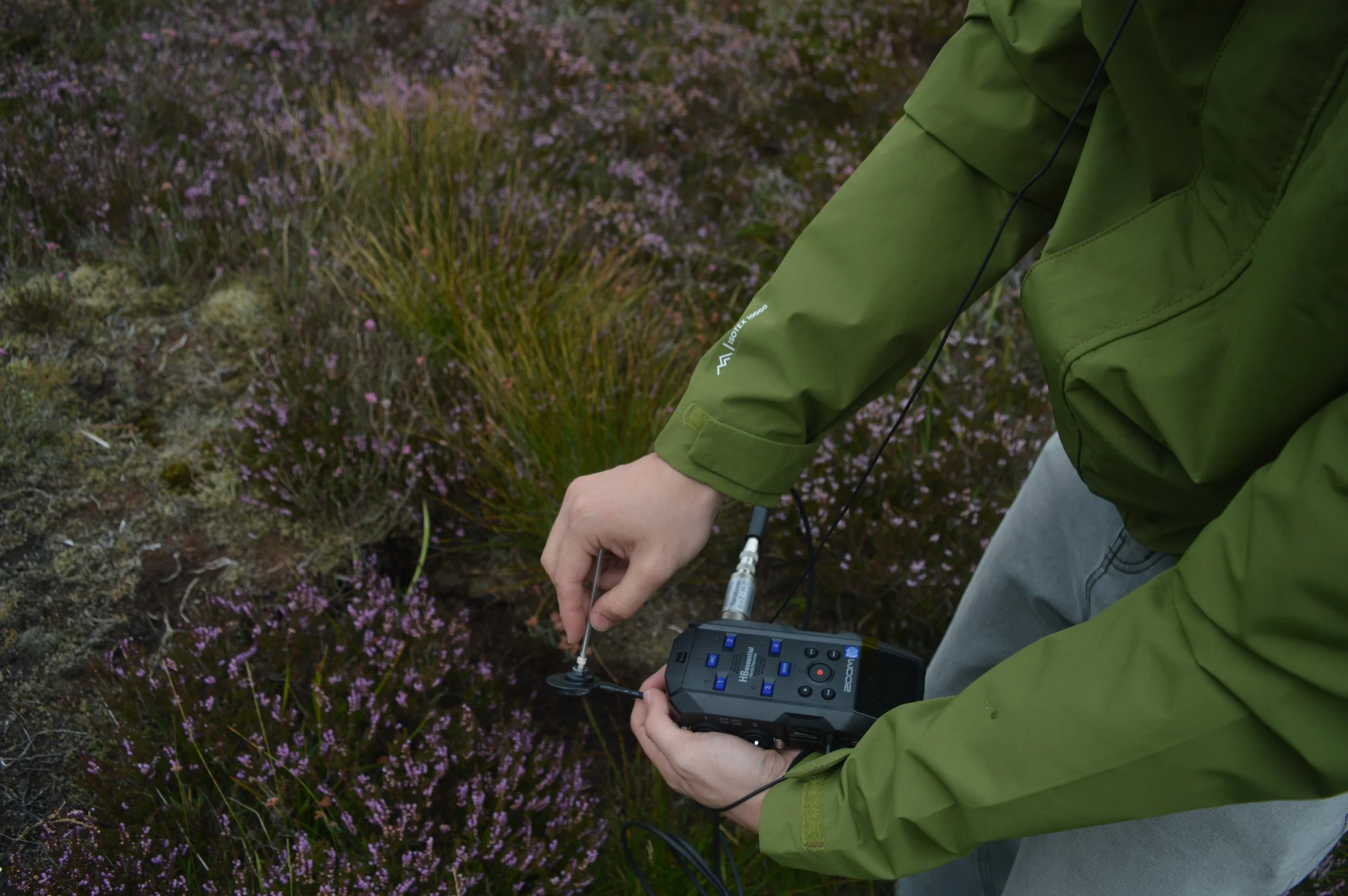
This pages serves to share some visual documentation as the project develops.
The research investigates how extractive tendencies embedded within my artistic practice might be negotiated through an iterative process of self-experimentation in artistic fieldwork in bogs and the creation of audiovisual compositions. Bogs are wetland environments composed of layers of decayed plant material. In Ireland, these landscapes have a long history of human intervention from British colonial drainage plans for agriculture, state industrialised peat extraction for fuel to ‘green’ energy and data infrastructures. Extractivism has defined how the bog is known and viewed by humans only insofar as it can be converted from a ‘wasteland’ into value.
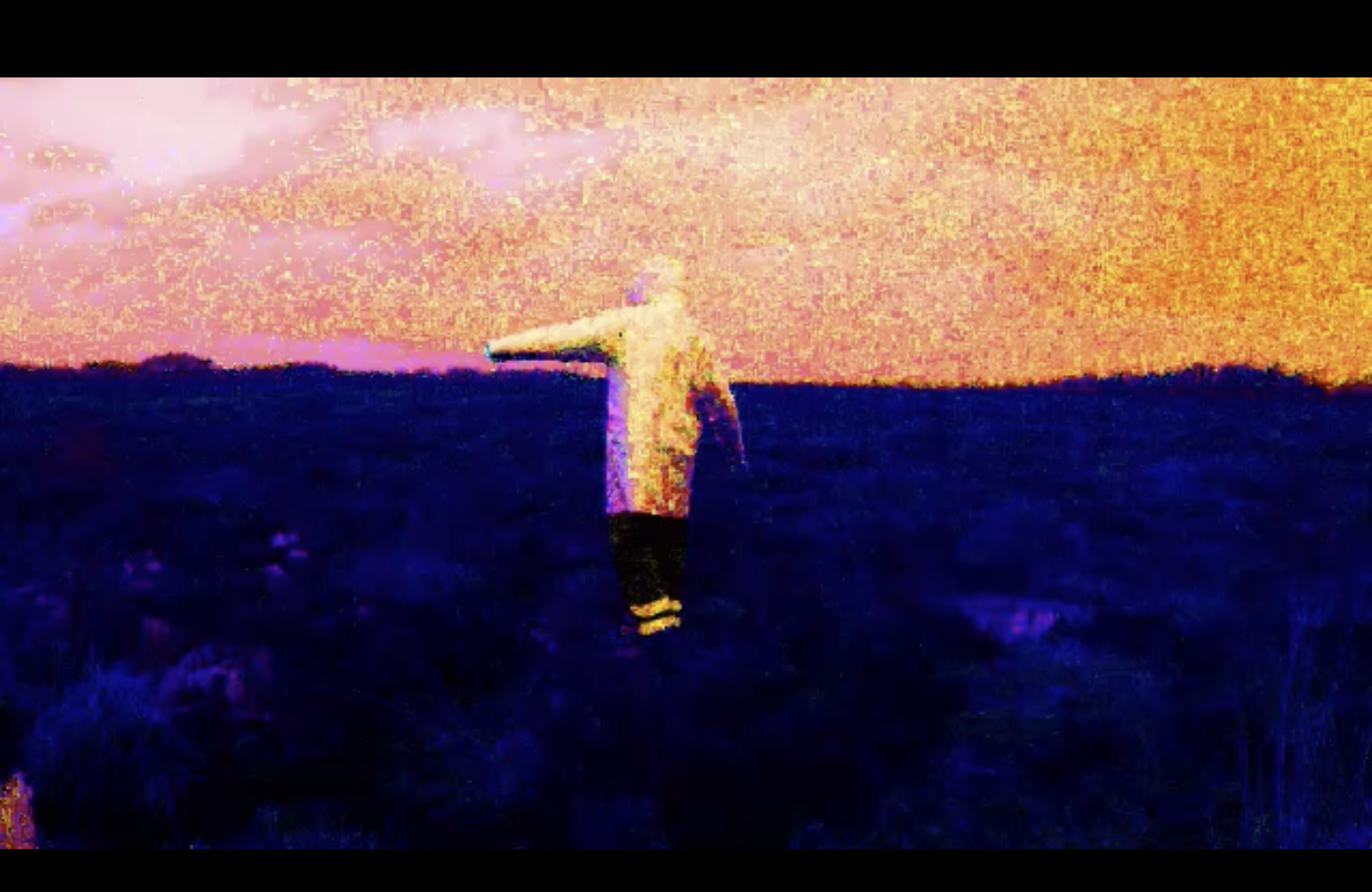
The research was designed from the working hypothesis that extractivism could not fully be removed from my bog situated artistic practice but could be negotiated through an iterative and reflexive process of self-experimentation. Self-experimentation functions as practical tool of negotiation in which both my fieldwork and studio-based process iterations are repeatedly adapted through both procedural and affective-perceptual adjustments that stem from a reflexive analysis of how and why extractive tendencies emerge within areas of my artistic practice. This renders my practice as both the subject and method of research inquiry. I identify how this negotiation resulted in the transformation of extractive logics across the entire cycle as material moved from one stage to another. Attempts to avoid physical extraction shifted extraction into sensing and recording, while distributed attention became shaped by selection and artistic value. Audiovisual composition brought the body back into the process as a necessary condition and dissemination revealed how dramaturgical choices can create tension between critical framing and embodied affective presentation. The research argues for a critical need for a situated approach when conducting ecologically engaged art. The contribution of the research lies in presenting a situated methodological account of how extractive logics may be recognised, identified and then negotiated through artistic practice. The research was conducted across five bog sites in Ireland, the Netherlands and England.


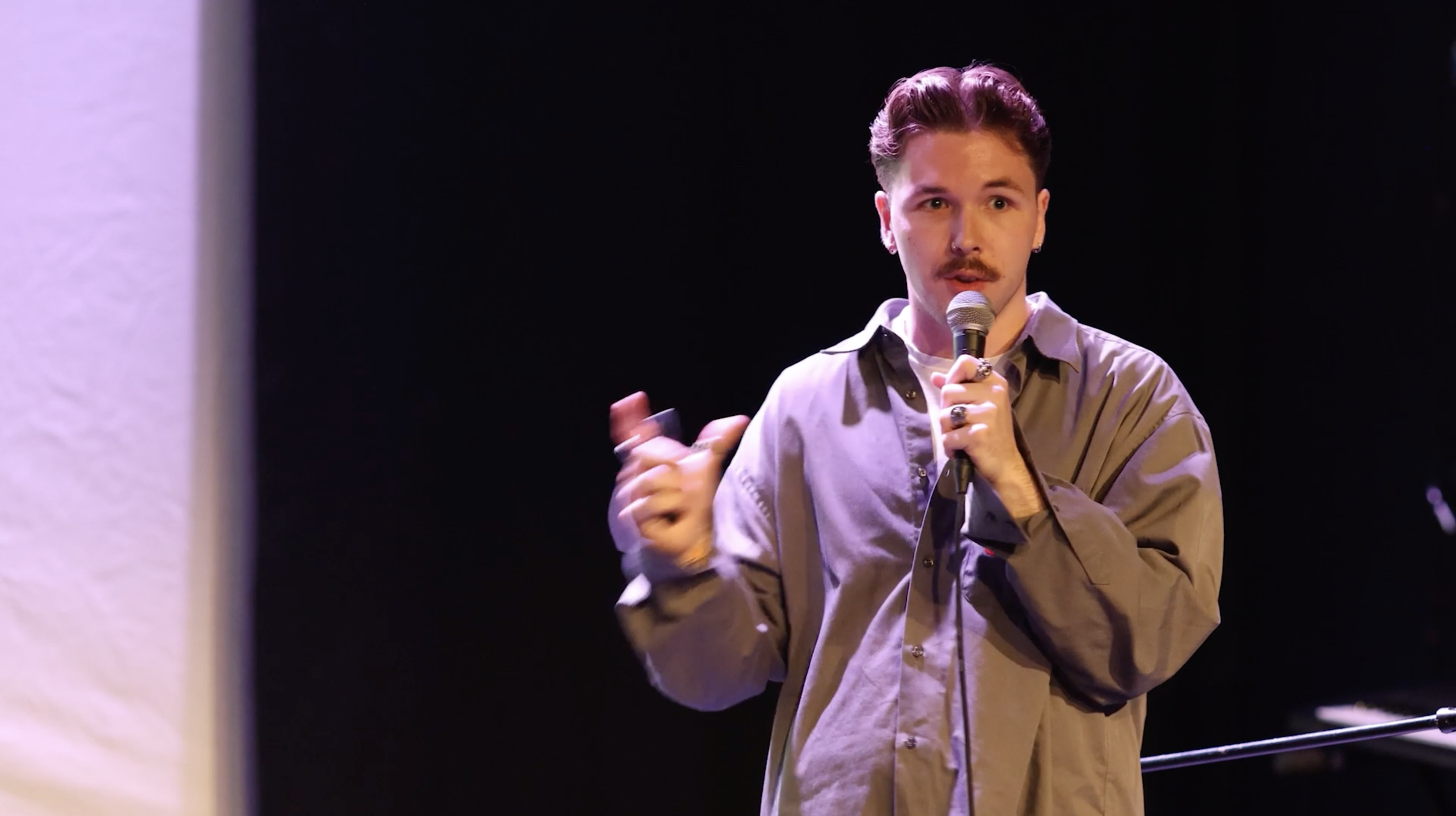


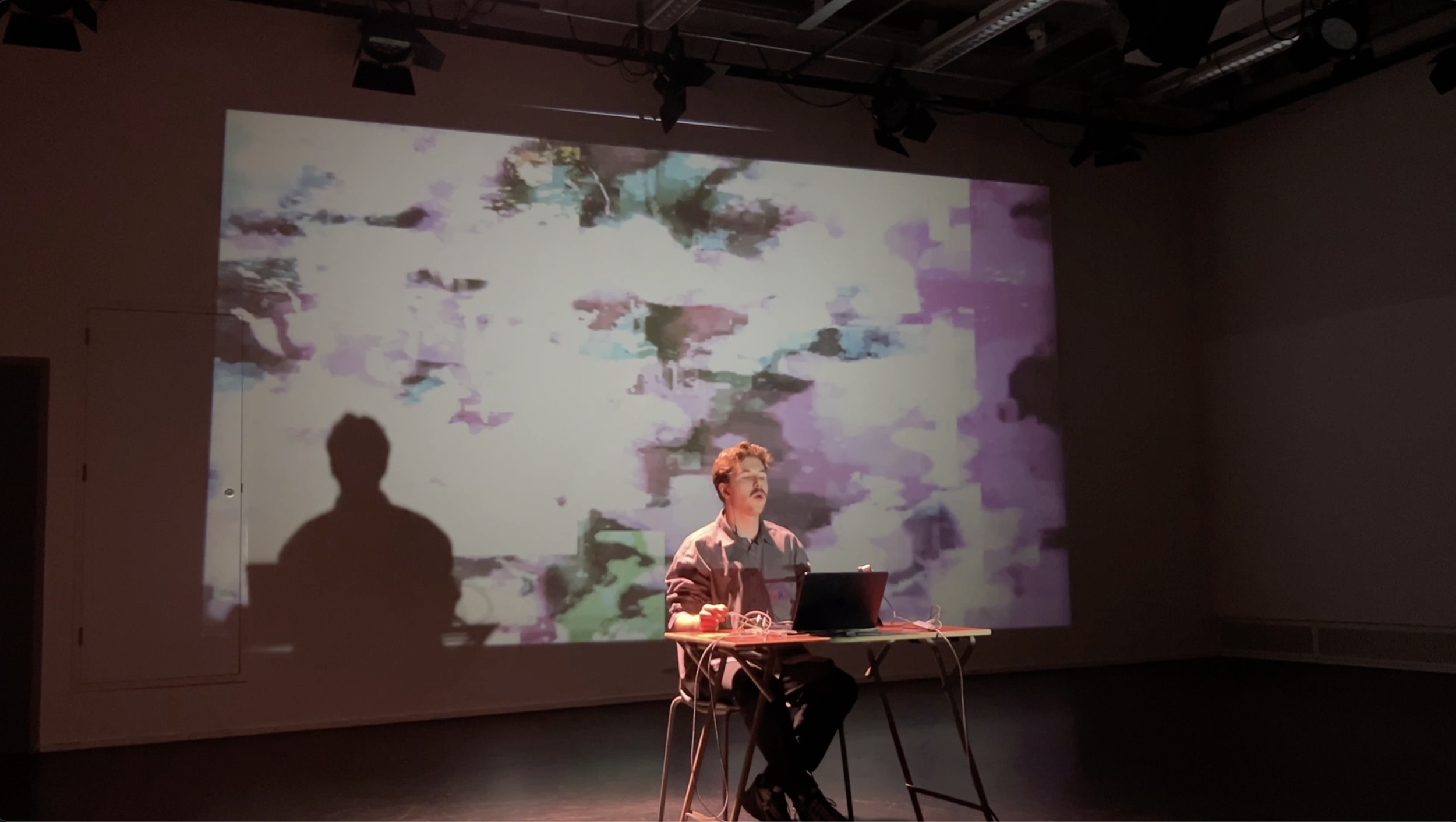
Presentation @ Pan Pan International Mentorship Symposium with Caden Manson - Big Art Group